Ink Beats Signal: The One-Page Route Card That Keeps a Club Run Together
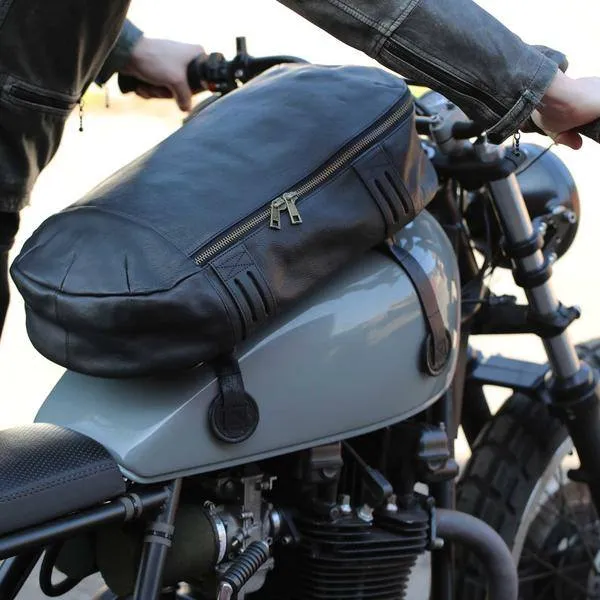
Photo: Igch04ab, CC BY-SA 4.0, via Wikimedia Commons
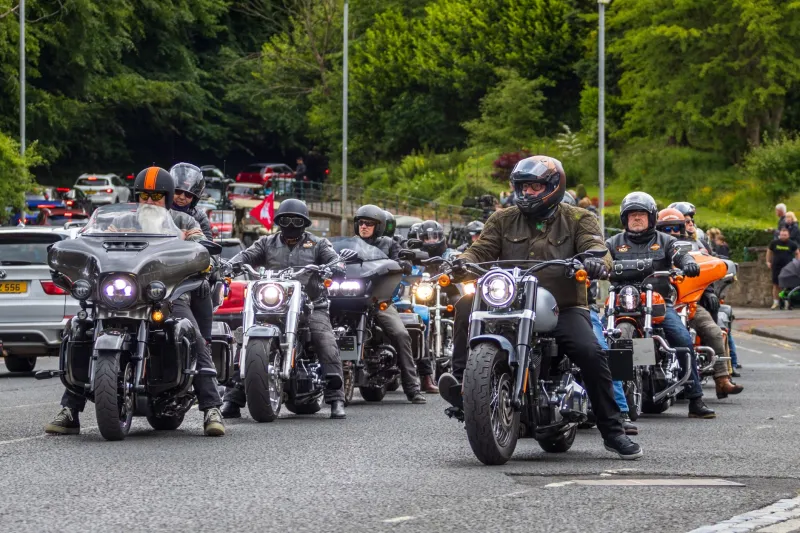
There is a particular kind of silence on a club run when the sat-nav reboots for the third time and the rider at the front is squinting at a phone in the rain. It is not the good kind of silence. It is the silence of twelve people idling at a crossroads, wondering whether the next turn is left or straight on, and whether the café stop is still happening.
A paper route card will not make you a better rider. It will not fix the weather or make the 125s go faster. What it does is quietly remove one of the most common reasons a mixed-ability group fragments: everyone waiting for one screen to tell them what to do.
The stubborn truth about tech
Modern phones and sat-navs are brilliant, right up until they are not. Cold November mornings eat battery percentages. North Downs valleys swallow signal. A glove fumbles a screen and the route recalculates to send the whole group down a bridleway. None of this is a reason to bin the tech. It is a reason to carry a backstop that does not need charging.
The route card is not paperwork for paperwork's sake. It is a shared reference point, small enough to live in a tank bag and clear enough to read at a junction with cold hands and a foggy visor.
One side of A5, nothing more
If a route card needs unfolding like a broadsheet, nobody will read it. The club standard is one side of A5, large font, clearly sectioned. At the top: run name, date, leader's name and a contact number. Below that, the useful stuff — turn notes, regroups, bail-outs, fuel, food, and the contacts box.
Anything that does not help a rider at the roadside gets left off. You do not need a potted history of the lane. You need to know where to turn.
Turn notes that work at forty miles an hour
Write instructions a rider can read in two seconds. Left at T, signposted Wrotham is better than a paragraph describing the pub that used to be on the corner. Use road numbers where they exist, and name the junction type: T-junction, mini-roundabout, fork, crossroads.
Include distances between instructions — either per leg or cumulative — and flag the awkward ones. The double bend after the ford. The give-way that creeps up on you after a long descent. Keep the whole thing to a dozen or so lines. A card that tries to describe every hedge is a card nobody trusts.
Regroups are the spine of the run
Every card should have three to five named regroup points, marked in bold. REG 2 — lay-by on the B-road after the descent. Everyone knows the drill: if you are unsure, if you lose sight of the rider behind, if your bike starts making a noise you do not like, you go to the next regroup. Nobody charges off. Nobody gets left at the crossroads.
This is how a mixed-ability group stays together without stopping every mile and without turning the leader into a shepherd. The card holds the plan so the people can enjoy the ride.
Bail-out lanes for the what-ifs
For each leg, add one short bail-out note: an escape route to a station, a town, or a known café. Left at Four Elms onto the B2027 for Edenbridge station is enough. Not a full alternative route — just a get-out clause.
Bail-outs matter when the weather turns, when a bike develops a fault, or when a rider quietly realises they are done for the day. Having it written down means the decision can be made without a group debate in the rain.
Fuel, food and the necessary room
Mark fuel stops clearly, and note Sunday opening hours. Rural garages have a habit of shutting at lunchtime on the day you need them most. The café stop wants a name, a rough arrival time, and a note about whether they take cards. If there is a reliable loo on the route, say so. These are not glamorous details. They are the details that make a run work.
The contacts box
Small but legible: leader's number, backmarker's number, the club's emergency contact, the nearest A&E for the middle section of the route, and a recovery number. Keep it to that. The card is a route aid, not a medical file.
Rotating the navigator
Here is the bit that stops one person becoming the human GPS. The route card belongs to the club, not to the leader. On each run, assign a second rider as card-holder — someone who is not leading. They call the regroups, confirm the turns, and at the café stop they hand the card to someone else for the return leg.
It sounds almost too simple. In practice it spreads the load, gives newer riders a genuine role, and means the route knowledge does not live in one person's head. Pair an experienced rider with a newer one and let them work the card together. The group stays together because more than one person knows the plan.
Make it, laminate it, live with it
Print at home, laminate it, and keep it in a clear pocket on the tank bag or zip-tied to the bars. A cheap map case works too. After the run, jot notes on a spare copy: the road that was closed, the café that no longer does breakfast, the junction that confused everyone. Keep a master folder and rotate the cards each month.
The point is not bureaucracy. The point is that when the tech blinks first, the club still knows where it is going. Ink beats signal. Paper does not need a charger. And a group that shares a plan is a group that stays together.