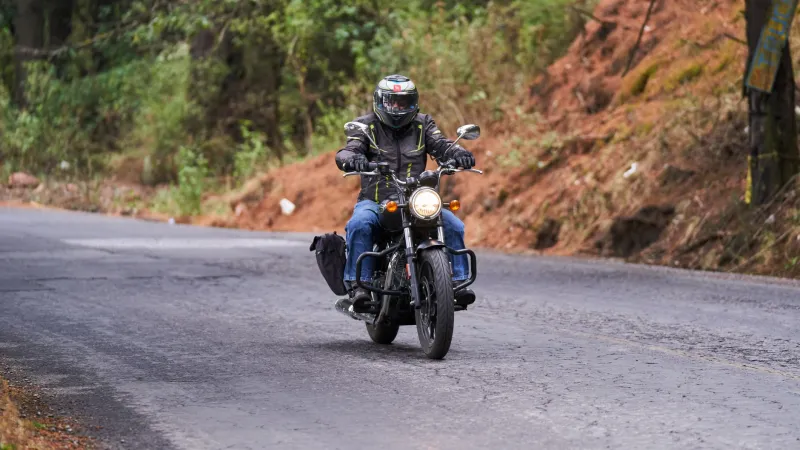
Little Bike, Big Day Out: Planning a Club Run That Keeps the 125s in the Picture
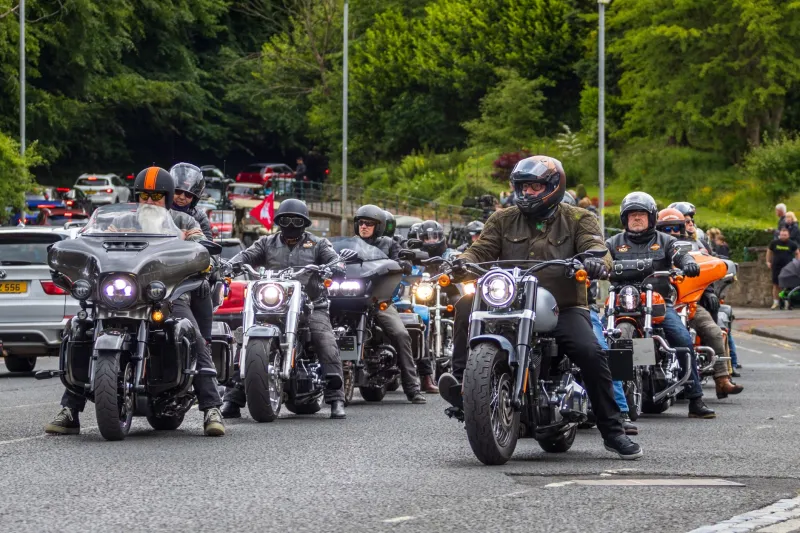
There’s a particular silence that settles over a club run when the route has been built around the fastest bike in the pack. It’s not anyone being unkind. It’s just that the plan assumes a big tank, a flexible right wrist and no real worry about a steep junction with a queue of traffic on it. Then a learner-legal 125 turns up, and suddenly the day is being measured in apology stops.
It doesn’t have to be that way. A 125-friendly run isn’t a watered-down version of a proper club day out. It’s a route that has been thought about properly, briefed clearly and ridden with a bit of discipline. Get it right and the quietest bike in the pack stops being the thing everyone is waiting for. It becomes the thing that makes the whole run sharper.
Start with the smallest tank, not the fastest lap
The first mistake is planning the route you fancy and then wondering why the 125 is always chasing. The better approach is to start with the bike that has the least margin. That means looking at fuel range, comfortable cruising speed and how the route handles hills, junctions and wind.
A 125 can sit at national speed limits on a good day, but it won’t always do it with a headwind and a full tank of ambition. Long dual carriageway sections are dull on a small bike and they eat confidence. Steep uphill starts from a standstill are worse. A route that strings together B-roads, gentle A-roads and decent lanes will usually be more enjoyable for everyone, not just the learner.
Build the day around a loop rather than a point-to-point dash. Keep the total mileage modest, maybe 70 to 90 miles depending on the group, and plan the fuel stops before anyone needs them. A village filling station that opens on a Sunday is worth more to the club than a glamorous service area that requires three lanes of fast traffic to reach. Check the opening hours, too. A shut pump is a special kind of route-planning failure.
Hill starts, awkward junctions and the case for a longer gap
You don’t need to avoid every slope in the North Downs, but you do need to think about where the group will meet one. A steep junction with a blind exit and a queue of cars is not the place to discover that the rider behind is still getting used to clutch and throttle together.
Where possible, route around the worst of them. Where not, brief them. A longer gap on the approach gives a smaller bike room to get moving without feeling rushed. Faster riders should go through first and wait somewhere safe, not sit on the clutch halfway up a hill wondering why the day has stalled.
Regroup points do a lot of heavy lifting here. Put them at the top of climbs, after tricky junctions and before any stretch where the group is likely to string out. A marked turn is useful, but a known regroup is better for a mixed-capacity run because it keeps the group shape predictable. The leader sets the pace. The sweeper stays at the back. Everyone else rides the plan, not their own private time trial.
The briefing is part of the route
A good briefing is not a recitation of the Highway Code. It’s five minutes that stop the day going sideways. Say where the fuel stops are. Say where the regroups are. Say that nobody gets left behind and that faster riders are expected to wait at the next safe point rather than press on.
It also helps to say the quiet part out loud: we ride to the slowest bike, not the fastest ego. That isn’t a dig at anyone. It’s just the rule that makes a mixed-capacity club run work. If someone wants a fast blast, they can have one on another day or at the back of the group once the route opens up. On a 125-friendly run, the pace is set by the bike with the least to give.
Ask the smaller-bike riders if they want a break before anyone needs one. Ask the faster riders to take turns as markers rather than disappearing over the horizon. Keep the group small enough that the briefing actually sticks. Seven bikes and one kettle is a club night. Seven bikes and a clear route is a decent run.
Fuel, food and the halfway halt
A café stop is not just a social pause. On a small-bike run it’s a reset. Plan it at roughly the halfway point, make sure there’s parking that doesn’t involve a gravel trench, and check it’s actually open. A 125 rider who has been managing a headwind for an hour deserves a proper cup of tea and a chair, not a vague promise of a burger van that packed up in October.
Fuel before food if the tanks are getting low. It’s easier to fill up with the group together than to split the run later because one bike is running on fumes and optimism. Give the stop a bit of slack in the schedule. Rushing the break defeats the point of having one.
Why the whole club gets better
A 125-friendly run forces better planning. It makes the route more interesting, because you can’t rely on a fast road to do the work. It makes the briefing more honest, because everyone has to understand the plan. It makes faster riders better company, because they have to think about someone other than themselves.
And it brings people in. Learner-legal riders are the future of any club, whether they stay on a 125 for a year or move up as soon as they can. A run that welcomes them properly doesn’t just fill a gap in the calendar. It gives the club a reputation for being the sort of place where a small bike is a normal bike.
The quietest bike in the pack doesn’t have to set the tone for the whole day. But if you plan the route around it, brief the group properly and leave the ego at the meet point, it often sets a better one.