The Name in Your Pocket: A First-Run Buddy Rota That Earns a Second Ride
Most people don't drift away from a bike club because the roads were boring. They drift because the first Sunday felt like arriving at a party where everyone already knew the seating plan. The ride itself might have been fine; the hour before it was not. A named buddy fixes that. Not a mentor, not a riding instructor, not a sales pitch for the club — just one person whose job is to make the first run feel less like an audition.
Why a Name Beats a Welcome Speech
A general welcome is lovely, but it is forgettable. A name is usable. If a newcomer knows that Priya is their buddy for Sunday, they know who to ring when the forecast turns, who to look for in the car park, and who to ask the daft question about whether the café takes card. That is hospitality in its most practical form.
The retention logic is simple. People come back when they feel expected. A buddy system says: we noticed you were coming, we made a place for you, and we will notice if you don't. That is not a marketing campaign. It is just good club manners, written down so it actually happens.
The Phone Call Before the Ride
The buddy should be assigned at least 48 hours before the run. A text is fine for logistics, but a short phone call is better. It gives the newcomer permission to say the things they might not put in a group chat: that they haven't ridden in a group before, that their bike is small, that they are nervous about the dual carriageway, or that they can only manage two hours before their back starts complaining.
The call needn't be long. Confirm the meeting point, the kickstands-up time, the route length, and the pace. Ask what they ride, what gear they have, and whether they have a preferred way of being signalled. Explain that nobody gets left at a junction, that the group waits at turns, and that there is no shame in peeling off early. Then ask one human question: what would make Sunday feel like a good morning for you?
That last bit matters. It turns the call from a briefing into a conversation, and it gives the buddy something to work with on the day.
On the Road: The Buddy's Actual Job
The buddy is not a shadow. They don't need to ride alongside the newcomer for forty miles, and they certainly shouldn't be coaching from the saddle unless asked. Their job is visibility and pacing.
At the meet, the buddy should be the first person the newcomer sees, ideally before the group swells. Introduce them to one or two people, not the whole circle. Keep the first introduction simple: name, bike, something they said on the phone. Then get on with the business of tyres, tea, and checking the route.
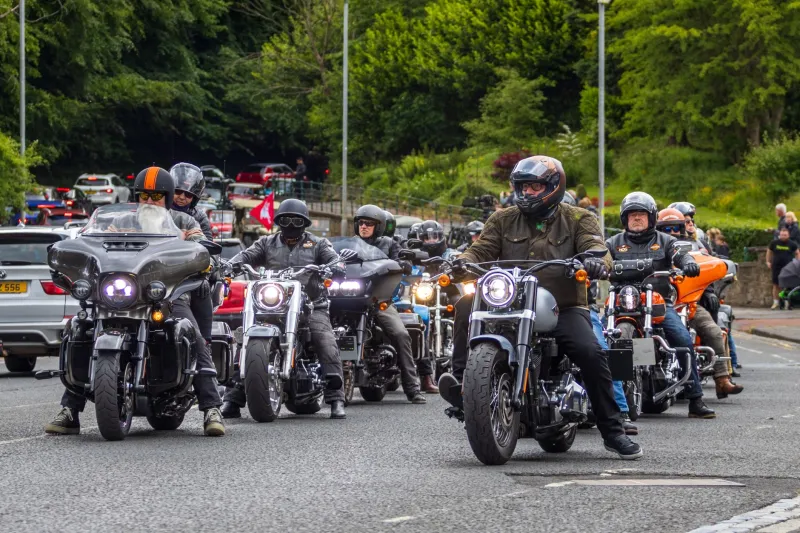
On the move, the buddy rides in a place where the newcomer can see them — usually just ahead through the first few junctions, then settling into the group. They should model the club's marking system, not invent a new one. If the newcomer hangs back, the buddy hangs back. If the newcomer is ready to sit in the pack, the buddy lets them. The point is to remove the fear of being forgotten, not to create a riding test.
A good buddy also watches for the quiet signs: a rider who is gripping the bars, missing hand signals, or drifting at the back. On a North Downs lane, that might just be a tricky surface. On a Sunday run, it might be someone who has had enough. Either way, the buddy is the one who can suggest a halt without making it a drama.
The Handover at the Halt
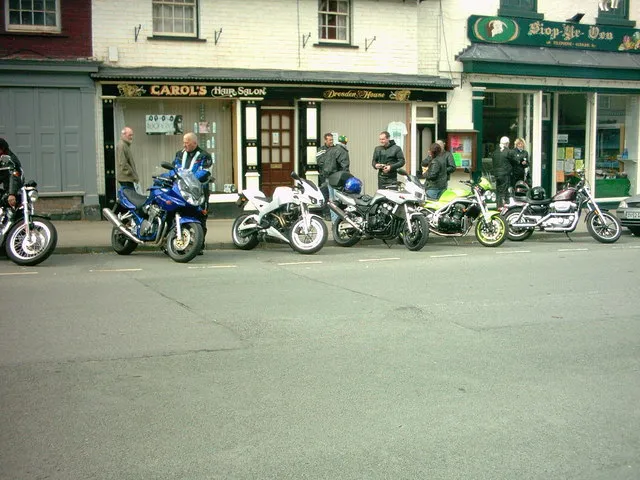
The café stop is where a lot of first runs are won or lost. The newcomer has made it; now they have to sit down. A buddy can help by doing a soft handover rather than a formal presentation.
Introduce them by name and one detail — 'This is Tom, he's on the Enfield, and he knows the lanes out towards Yarrow' — then step back. Let the group ask the questions. If the conversation stalls, ask the newcomer about their bike or their route in. Most bikers will talk happily about either.
The buddy should stay close enough to rescue the moment but far enough that the newcomer isn't stuck in a two-person huddle for the whole stop. Ten minutes of gentle circulation is usually enough. After that, the group has done its job.
After the Run: The 48-Hour Text
The follow-up is where the buddy system earns its keep. A short message the next day — not a survey, not a recruitment drive — asking how the bike felt and whether they'd fancy the next run. If the answer is yes, name the date. If the answer is 'maybe', that's fine too. The buddy can offer a shorter route or a lift to the club night.
This is also the moment to feed back to the club. Did the newcomer mention a dodgy junction? A café that was too busy? A pace that felt quick? That information is gold for the next run. The buddy is not just a host; they are the club's ears.
The Rota and the Red Flags
A buddy rota only works if it is visible and fair. One named buddy per newcomer, one newcomer per buddy for the first run. Don't pair a nervous first-timer with the rider who always wants to prove a point, and don't pair them with someone who is mainly interested in selling them a bike. The buddy should be a known club member, comfortable with the route, and willing to ride at the back if that is what the day needs.
Keep a simple sign-up sheet at club night and a note on the Sunday run thread. The same buddy can stay with the newcomer for the second run, but by the third, the handover should be complete. The aim is not dependency. It is confidence.
What Good Looks Like
The test isn't whether the newcomer says thanks at the end of the day. It's whether they are on the sign-up sheet for the next one. If they are, the buddy did their job. If they aren't, the club should ask why — kindly, and quickly.
A first run is a small thing on paper: a phone call, a named person in the car park, a chat at the café, a text the next day. But that is how clubs keep people. Not with grand welcomes, but with the quiet certainty that someone knows your name and will look out for you on the lanes.