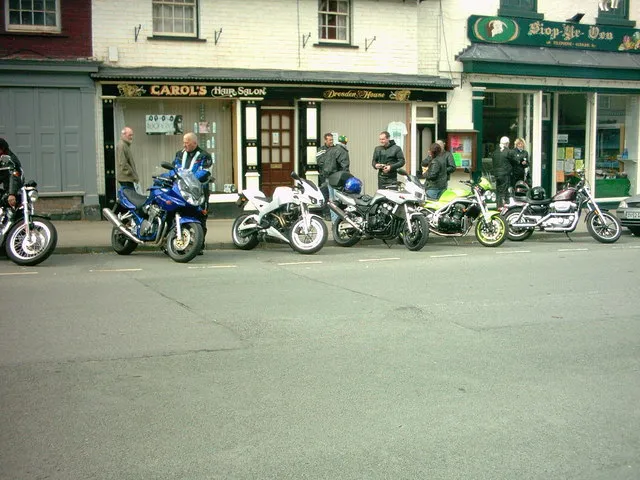
The Clipboard Crew: Vetting a Secondhand Bike Without Losing the Seller
Photo: John Robert McPherson, CC BY-SA 4.0, via Wikimedia Commons
Buying a used bike is rarely a solo sport. Someone in the club knows what a tired head bearing feels like, someone else can read a V5C without glazing over, and there’s usually one member who has owned three versions of the exact model you’re eyeing. The trick is not to turn that goodwill into a six-person pile-on in a stranger’s driveway. A club buying clinic should feel like a quiet favour, not an episode of a daytime auction show.
First rule: the seller stays in the loop
Before anyone puts on a latex glove, ask the seller what they’re comfortable with. A cold start is normal. A compression test may need a warm engine and permission. Removing panels is a bigger ask. The lead member — one person, not a committee — explains that the club does this for members, that you’re serious, and that you’ll put everything back as you found it. No surprise haggling, no theatrical sighs, no crowding the seller against their own garage door.
Daylight helps. A dry Saturday morning beats a Thursday night under a sodium lamp. Ask the seller not to warm the bike before you arrive; you want to hear the cold-start rattle, not a machine that has been idling for twenty minutes to hide it. If they refuse a cold start, that is information. If they refuse a viewing with clubmates present, that is also information.
The clipboard does the remembering
A single A4 sheet stops the visit becoming a pub argument. The lead carries it, but everyone contributes. Start with the paperwork: V5C present, seller’s name and address matching, frame and engine numbers legible and consistent, MOT history checked online before you travel, mileage looking plausible across old MOTs and receipts. A paid HPI-type check before the visit is cheaper than a deposit mistake.
On the bike, write down what you see rather than what you hope. Tyre date codes, chain slack and sprocket teeth, brake disc wear and pad life, fork seal weeping, head bearing notchiness with the front wheel off the ground, wheel bearing play, swingarm movement, corrosion around the usual UK haunts — rear shock linkage, under the tank, behind the fairing, around the battery box. Check lights, indicators, horn, kill switch, clutch and throttle action. Look for fresh underseal over old rust, new fasteners on an old engine, silicone squeeze-out, crimped wiring, and receipts that prove the claimed service history rather than merely suggest it.
The clipboard is not a warranty. It is a memory aid and a negotiating tool. It also gives the seller confidence that you are not just tyre-kicking.
Who checks what
Six pairs of eyes are useful only if they are looking at different things. The lead talks to the seller and keeps the pace calm. One member owns the documents and history. Another listens to the cold start and watches for smoke, rattles, and a fast idle that never settles. A third handles the torch-and-gloves inspection underneath: brake lines, corrosion, leaks, exhaust condition. The electrically minded member checks charging, battery age, error codes if the bike has them, and whether accessories have been wired like a school science project.
If a test ride is possible and insured, one rider takes it — not the buyer, ideally, so the buyer can watch and listen from outside. The route should include a slow-speed section, a bumpy bit, and a chance to use the brakes properly. If a test ride is not possible, that is not automatically a deal-breaker, but it should adjust your offer and your expectations.
Spotting a polished-over project
A shiny bike can still be a shed in disguise. Be wary of fresh black paint on the engine cases, new fasteners scattered across an otherwise tired machine, mismatched panel shades, and an engine bay that is spotless on top but oily underneath. Over-cleaned wiring, odd crimp connectors, and a battery tender lead that looks like it was fitted by a hurried badger all tell a story. So do MOT advisories for corrosion, brake lines, or suspension, followed by a sudden clean sheet and no receipts.
Wear tells the truth. A low-mileage bike with a heavily worn chain, chewed footpeg rubbers, and a slick front brake disc may not be as fresh as the advert claims. Conversely, a higher-mileage bike with sensible service records and honest scuffs can be the better buy. The clipboard should record both the good and the awkward.
The polite walk-away list
Some things end the viewing politely but firmly: no V5C in the seller’s name, unreadable frame numbers, refusal to allow a cold start, evidence of a cracked or badly repaired frame, a finance marker that has not been cleared, or a seller who pressures you for a deposit before you have even checked the oil. An engine that overheats, a gearbox that refuses a clean shift, or brakes that feel spongy after a short run are all reasons to thank the seller and leave.
Walking away is easier when the club has agreed a walk-away number beforehand. The buyer should decide that figure before the visit, not in the driveway with a hopeful heart and a mate whispering that it’ll be fine. If the bike needs tyres, a chain and sprockets, brake lines, and a fork service straight away, those costs belong in the conversation.
Leave the seller glad they said yes
Put tools away, wipe your marks, and don’t leave the seller with a dismantled indicator and a vague promise to return. If you pass, say so clearly. If you are interested, make an offer calmly and explain what the clipboard found. A club buying clinic is a community service, not a tactical strike. The seller may be a future club member, a future buyer, or the person who tells someone else that North Downs & Yarrow MCC are decent sorts. That reputation is worth more than any single used bike.