Two Up, One Brain: Setting Your Bike and Your Passenger Up for a Calm First Run
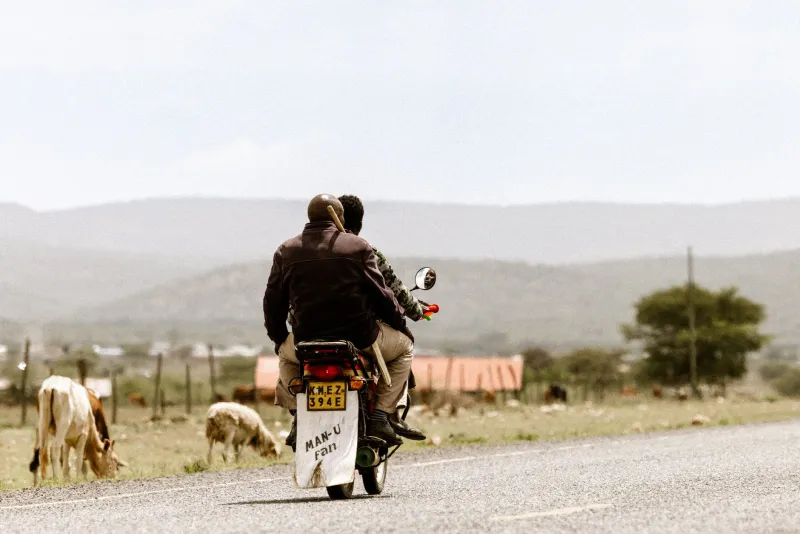
Two-up riding has a reputation in club circles that it does not really deserve. Mention taking a passenger and someone will tell a story about a rear tyre that looked fine until it did not, or a partner who screamed at a roundabout and never got back on. Most of those stories start with a bike that was never set up for two and a briefing that amounted to: hold on and lean when I lean.
That is not a pact. That is a gamble. If North Downs & Yarrow MCC wants non-riding partners to feel welcome on runs, the work starts in the garage and in the car park, not at the first set of traffic lights.
Start With the Paperwork, Not the Pillion
Before anyone swings a leg over, check the boring bits. The rider needs a full motorcycle licence to carry a passenger in the UK. The bike needs a proper pillion seat and footrests. The passenger needs a legal helmet, unless the Sikh turban exemption applies. And the insurance certificate needs to confirm pillion cover. Plenty of policies include it as standard; plenty do not. A club run is not the place to discover the small print.
It is also worth checking the bike's handbook for two-up tyre pressures and suspension settings. If the manual has a two-up column, use it. If it does not, start with the solo figures and make small, recorded changes rather than guessing at the roadside.
Set the Bike for Two
A pillion changes the way a bike sits, steers and stops. The rear sags, the front goes light and the whole machine feels less eager to turn. That is normal. It is also manageable if the bike is prepared.
Start with rear preload. Most bikes have a adjuster under the seat, on the shock or behind a side panel. Wind it up according to the handbook, or until the bike sits closer to level with both people aboard. Check static sag if you know how. Do not crank it to the maximum and call it done; a harsh rear end will bounce the passenger around and make the bike feel worse.
Set tyre pressures cold, with the two-up figures from the manual. Check the chain at the tight spot and adjust to the upper end of the solo range if the handbook says so. Give the brakes a proper look, especially the rear, because two-up riding uses it more. If the bike has a top box, check the weight limit and do not fill it with a full toolkit and a flask of soup. Luggage plus passenger can add up quickly.
The Briefing That Prevents the Wobbles
A first-time pillion needs a short, calm briefing. Not a lecture. Five minutes in the car park, engine off, helmets on, so they can hear you.
Cover the basics. Mount from the left, after the rider nods. Put both feet on the pegs and keep them there. Sit close but do not shove the rider forward. Look over the rider's inside shoulder through corners. Lean with the bike, not against it. Do not put a foot down at junctions unless the rider tells you to. If you need to stop, tap the rider's shoulder and wait for a safe place.
Agree a signal before you set off. Two taps on the shoulder can mean pull over when safe. One long squeeze can mean slow down. Do not invent a complex code. Simple and consistent beats clever.
Passengers should hold the rider's waist or the grab rail, whichever feels secure. A top box with a backrest helps enormously. So does a rider who remembers that a helmet clonk at every gear change is not a bonding exercise.
First Run: Short, Warm and Full of Tea
The worst first pillion run is a 180-mile loop with a motorway stint and a late return. The best is 30 or 40 miles of familiar North Downs lanes, a cafe stop, and no pressure to be impressive.
Pick a route with smooth surfaces and easy junctions. Avoid roadworks, gravel, and that lane near Yarrow that turns into a farm track after rain. Go out in daylight. Leave the fast group at home. If the passenger is nervous, ride as if you are carrying a tray of full mugs.
A club can help here. Pair the new pillion with an experienced rider who is happy to go steady, and put a second bike behind as a shepherd. Not to crowd them, but to give the passenger confidence that the whole run is not a race. The rider sets the pace. The club sets the welcome.
Communication On the Move
Intercoms are useful, but they are not essential. What matters is a shared understanding that the passenger cannot see the road ahead and the rider cannot see the passenger's face. Talk before the ride, not during it.
If you use an intercom, keep it brief. If you do not, use the agreed taps. Do not turn your head to shout. Do not accelerate out of a corner to show off. And do not treat a nervous passenger's silence as consent to keep going. Pull over, ask, adjust.
The Club's Job After the First Ride
The ride is not over when the stands go down. Ask the passenger what felt good and what felt grim. Ask the rider what the bike did. If the answer is that they hated it, do not tease them. Offer a shorter route, a different bike, or a coffee-only outing next time.
The pillion pact is simple: the rider takes responsibility for the bike, the pace and the passenger's comfort. The club takes responsibility for making sure nobody feels like a spare part. Do that, and two-up riding stops being a dark art and starts being just another way to spend a Sunday.