One Bike, Nine Names on the Insurance: Setting Up a Club Winter Hack
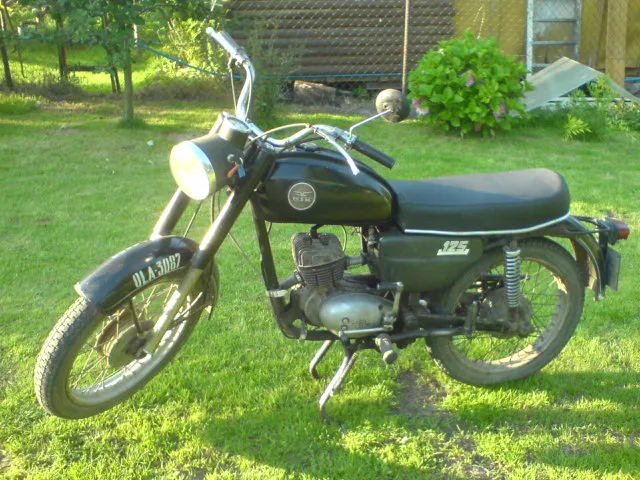
Photo: Voyti4, CC BY-SA 3.0, via Wikimedia Commons
Every November the same thing happens in the club WhatsApp group. Half the members post a photo of their good bike under a blanket with an optimiser lead snaking out from under the cover, and the other half quietly stop turning up to Sunday runs because they haven't got anything they're willing to sacrifice to the salt. The gap between those two groups is where a shared winter hack earns its keep.
We bought our first one three winters ago: a tatty but honest CB500, £780, bought off a member's neighbour. It has since been dropped in a car park, taught four people how to adjust a chain, and done more club-run miles between December and February than any other machine on our books. This is how we did it, and what we'd change.
What counts as a hack (and what doesn't)
A club hack is not a project. The moment it becomes a project it stops being available on a wet Tuesday in January. Our definition is deliberately boring: under about £1,000, mechanically sound, cosmetically rough enough that nobody cries over a new scratch, MOT'd, taxed and insured, and able to sit at 60 on a dual carriageway without drama.
Reliability beats character here. Look at the obvious stuff — CB500, GS500, ER-5, XJ600, Bandit 600, the older SV650s. Parts are cheap, forum knowledge is deep, and every independent garage in the county has worked on one. If you've got shorter-legged members, a Van Van or an older 125 stretches the rota further than you'd think, though it'll limit which runs it can join.
Buying it without buying trouble
Set the budget at the price of the bike plus a £200 fettling pot. You will spend that £200. Tyres, a battery, chain and sprockets, brake fluid, a fork seal — it adds up quickly and it's far easier to justify when the money was ring-fenced from day one.
The pre-purchase check is the same one we use for any secondhand bike, just with a higher tolerance for scruffiness:
- Frame and engine numbers matched to the V5C, and the MOT history checked online before you set off to view.
- Arrive early and insist the engine is stone cold. Anything that needs a warm-up to start cleanly is hiding something.
- Forks for pitting and leaks, wheel bearings for play, sprocket teeth for hooking, tyre date codes for age as well as tread.
- Corrosion around the swingarm pivot, the rear shock mounts and the lower frame rails — the places a winter bike dies first.
- Electrics: every switch, both indicator sides, the brake light on both levers. Old looms hate damp.
Walk away from anything with a suspicious V5C or a seller who won't let you hear it cold. There are always more CB500s.
The paperwork is the bit that trips people up
Buy it in one member's name. Shared ownership sounds lovely and turns into a nightmare the first time someone wants out. One keeper holds the V5C and the policy, the club holds a short written agreement — one side of A4 — setting out who paid what, what happens if the bike is written off or sold, and how a member leaves the scheme.
Insurance is where you need to do the homework rather than assume. The keeper insures the machine and adds the other riders as named riders, with each paying a pro-rata share of the premium. The alternative — riders relying on the 'riding other bikes' clause in their own policies — usually gives third-party cover only, and plenty of policies exclude machines owned by someone in the same household or require the bike to be insured elsewhere. Read the exclusions, ring the broker, and get the answer in writing. Keep a printed copy of the certificate and the agreement in the shed with the bike.
Tax is banded by engine size and cheap enough that it shouldn't decide anything — check the current rate on gov.uk rather than trusting a figure from a forum. If you're riding into London or any of the clean air zones, check the bike's status before you add it to the rota; an older hack can turn a free run into a charge.
The rota, and the four rules
We run the hack in weekly blocks, Sunday to Sunday, with a handover in the workshop on the Sunday afternoon. That handover is the whole trick — the outgoing rider walks the incoming one round the bike: tyre pressures, chain tension and lube, lights, brake fluid, coolant or oil level, anything that felt odd during the week.
The rules fit on the back of a fag packet and have survived three winters:
- It goes back with a full tank.
- Any fault goes in the group chat the same day, however small.
- No modifications without a nod from the keeper and the workshop lead.
- If it's a safety issue, it comes off the road immediately. No debate, no 'it'll be fine for one more run'.
Fuel is handled with a shared pot — a standing order of a few quid a month from everyone on the rota covers fuel and consumables, and we keep a £100 damage float. Small knocks get fixed from the float without a post-mortem. Big ones go to the committee.
Turning it into a skills bench
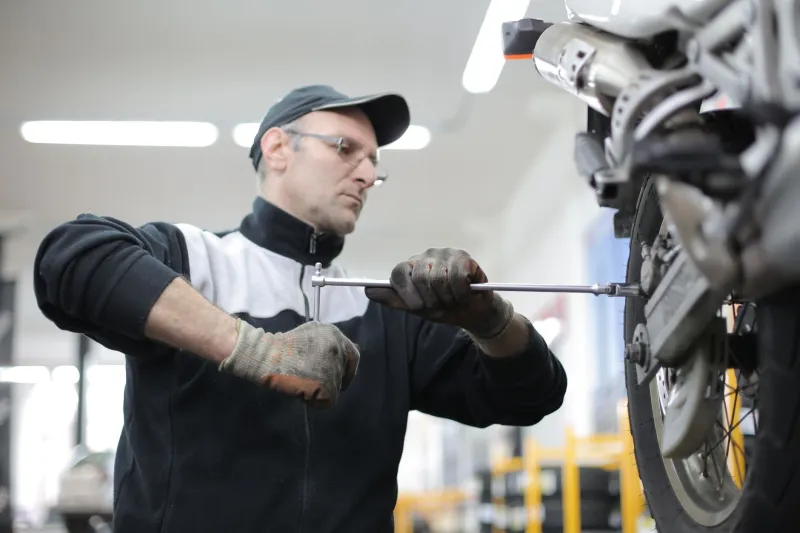
The unexpected dividend is what the bike teaches. Over one winter it went through a pad change, a chain and sprocket set, a fork oil refresh and a set of tyres, all done on a Sunday morning by members who'd never touched those jobs before, with someone experienced leaning over their shoulder. Nobody's learning that on a financed bike they're scared to scratch.
It also gives newer riders a supported way into club runs. Ride the hack on a damp February morning with two old hands around you, and the step up to a full summer run stops feeling like a leap.
Winter-proofing and knowing when to stop
A dose of ACF-50 in November, a hose-down after any salted run, and no jet washer anywhere near the bearings. Check tyre pressures weekly — they drop in the cold far faster than people expect. A trickle charger lives on it between blocks, and a cheap set of handguards and muffs has extended the rota to members who'd otherwise have packed it in by Bonfire Night.
Come the end of March, sit down and decide. Sell it and split the proceeds by contribution, keep it as a spare for visitors and loaner rides, or retire it to the workshop as a permanent teaching bike. Ours is on its second winter with no plans to move on — it's the cheapest thing the club owns and the hardest working.