The Box That Saves the Run: Building a Puncture Kit You'll Actually Use
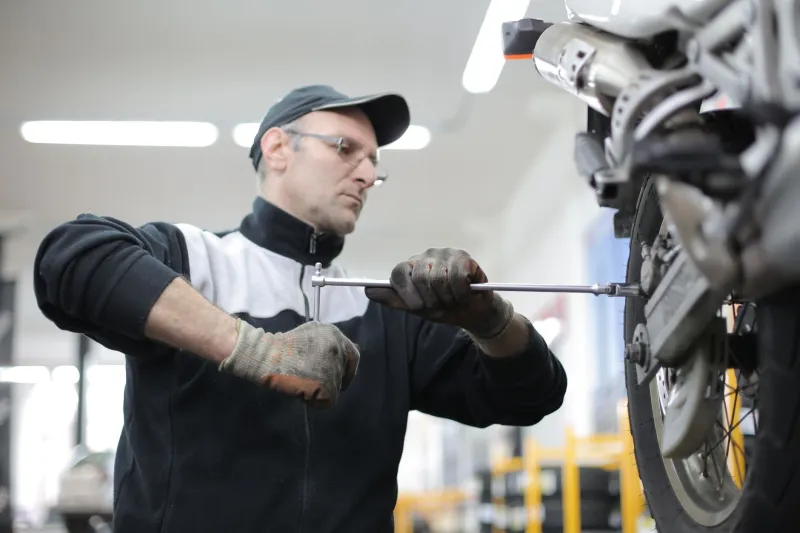
There's a particular sound a club run makes when a tyre lets go: the crackle of flint, a change in somebody's engine note, then the crackle of the group chat. Most punctures aren't disasters. They're admin. The problem is that admin gets done badly at the roadside, in the cold, with one person doing all the work while seven others offer contradictory advice.
A sensible puncture kit in the top box is part of being a useful club rider. Not because you expect to be the hero, but because you'd rather be the person who knows where the reamer is when the rain starts. Here's what earns its space, what doesn't, and how to set up a shared kit that actually gets used.
Start With the Wheel You've Actually Got
Before you buy anything, know whether you're running tubeless or tubed. It sounds obvious. It isn't. Half the kit confusion at the roadside comes from somebody with a tubeless set-up borrowing levers, or somebody with a tubed rear wheel being handed a plug tool and a puzzled look.
Tubeless tyres want a reamer, a plug insertion tool and a supply of sticky strips or mushroom plugs. Tubed tyres want levers, a spare tube and a patch kit. Spoked wheels often mean tubes, even on bikes that look modern. If you're not sure, check before the run, not while kneeling in a gateway on the B2169.
The Core Kit: What Earns Its Space
A decent roadside kit is smaller than most people think. Mine lives in a rolled pouch about the size of a paperback and weighs less than a flask of tea.
- Plug kit for tubeless: a proper reamer and insertion tool, plus a handful of bacon strips or mushroom plugs. Buy a known brand rather than the cheapest thing on an online marketplace. The sticky strips dry out; replace them every couple of years.
- Two strong tyre levers. Plastic is fine if it's decent. Metal levers are for the workshop, not for a cold rim at the side of a lane.
- A spare tube in the right size. If the club has mixed bikes, one 17-inch tube covers a surprising amount of ground in an emergency, but the right size is better.
- A patch kit. Even tubeless riders should carry one if they're on a long run. A plug can fail; a patch gets you home.
- CO2 inflator and two 16g cartridges. One cartridge rarely gets a rear tyre to full pressure. Two gives you a working tyre and a bit of margin. Carry a glove or a cloth sleeve; the cartridge gets painfully cold.
- A mini pump as backup. CO2 is fast, but it runs out. A small frame pump or a decent handheld gets you to the next garage.
- Valve core tool and a couple of spare cores. Cheap, tiny, and the fix for a slow leak that isn't a puncture at all.
- A sharp knife or side cutters. For trimming a plug and removing the object that started it.
- Nitrile gloves, a wipe and a small head torch. November lanes are dark and filthy. A torch that clips to your jacket is worth more than a fancy multitool.
- Cable ties and a tenner. Not for the puncture, but for the ride home when something else has rattled loose.
The Dead Weight
The temptation is to build a kit for every possible failure. Resist it. A full socket set, a track pump, a bottle of sealant, five CO2 cartridges and a diagnostic scanner do not belong in a top box on a Sunday run.
Aerosol inflators are a classic false friend. They can work, but they're one-shot, messy, and often useless once the tyre is off the bead. A plug and a pump is slower but more reliable. Likewise, a cheap folding multitool with a pot-metal chain tool is just weight you'll swear at. Carry the tools for the jobs you can actually do at the roadside, and save the rest for the club garage.
Setting Up a Club Kit for Ride Leaders
A shared kit only works if somebody owns it. At North Downs & Yarrow, the simplest model is a small puncture pouch per ride leader, checked at the start of each season and topped up after every use. The club buys consumables in bulk: plugs, CO2 cartridges, patches, gloves. Leaders carry their own pouch; the club keeps a master box in the workshop.
Label the pouch. A strip of gaffer tape with the leader's name and the date of the last check is enough. Keep a simple log on the club noticeboard or group chat: what was used, what failed, what needs replacing. That log is how you learn that the cheap plugs kept failing and the mid-priced ones didn't.
Budget-wise, a useful leader kit lands somewhere between £45 and £70 depending on what you already own. That's less than a tank of fuel and a breakfast, and it saves far more run time than either.
Talking a Stranded Member Through It
Most roadside repairs go wrong because of panic, not incompetence. The person with the flat tyre is cold, embarrassed and convinced the whole club is judging them. They aren't. The job is to slow the moment down.
Start with safety. Bike off the carriageway, hazards on if you have them, everyone in high-vis away from the traffic. Then ask three questions: tubeless or tubed, where's the leak, and have you got the right kit. Don't grab the tools out of their hands. Ask them to find the object, mark the spot, and talk you through what they're doing. If they've never plugged a tyre, do it together: you hold the torch, they ream and insert. It takes longer the first time and much less the second.
Once the plug is in, trim it, inflate to a sensible pressure, and check for leaks with a bit of spit or water. Then set a gentle pace home. A roadside repair is a get-you-home fix, not a trackday compound. Note the pressure at the next fuel stop and check the plug again before the next run.
After the Fix
A puncture kit is only half the story. The other half is what happens when you get back. Wash the tyre, inspect it properly, and decide whether the plug is a permanent repair or a temporary one. Most manufacturers will tell you a plug is for emergency use; a proper internal patch or a new tyre is the long-term answer. Log it with the club, replace what you used, and put the pouch back in the top box before the next Sunday.
The best puncture kit isn't the biggest or the most expensive. It's the one you know how to use, the one that's actually on the bike, and the one that lets a stranded member ride home with their dignity and their schedule mostly intact.