One Night, One Base, One Club: Making the First Weekend Run Fit Everyone
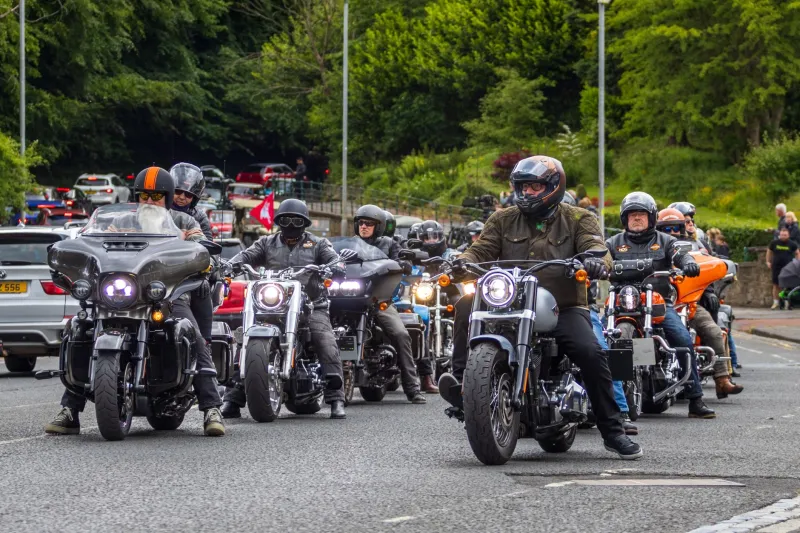
A first weekend run usually starts with someone saying, ‘It’s only one night — how hard can it be?’ Fair enough. But one night away with twelve bikes, three tank ranges, two dietary requirements and a forecast that changes every six hours has a habit of growing legs. The trick is not to over-plan it into a package holiday. It is to make a handful of decisions early, write them down, and then let the weekend be a ride rather than a logistics summit.
Start with the base, not the route
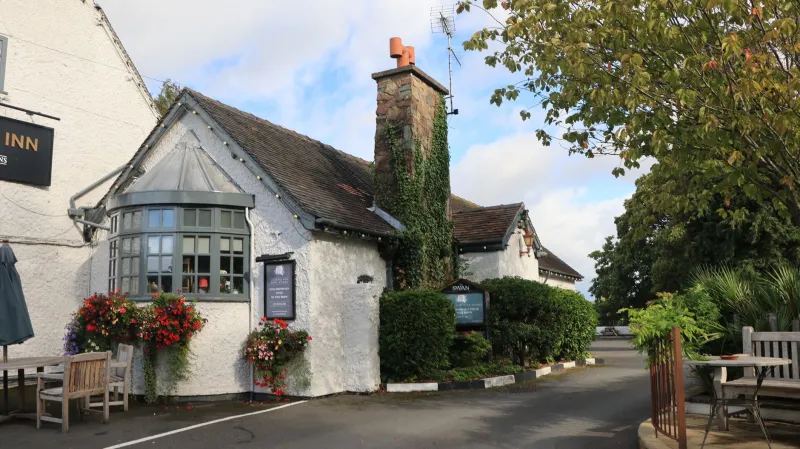
The temptation is to build a cracking route and find a bed at the end of it. Do it the other way round. For a first overnight, choose a base that is easy to reach, has somewhere secure to leave bikes, and sits within walking distance of food. A small hotel, a bunkhouse, a pub with rooms, or a campsite with a decent shower block all work. What matters is that nobody arrives after dark to find a gravel slope, a locked gate and a landlord who has forgotten the booking.
Ask three questions before you book: where do the bikes go, what happens if someone arrives late, and is there a budget option as well as a comfortable one. Mixed budgets are normal in a club. Give people a dorm or camping tier, a twin-share tier and a solo room tier if you can. Nobody should have to explain their finances in the group chat. They just need a clear price and a clear deadline.
Also think about mixed bikes. A base down a narrow lane with a rough final mile is fine for a Himalayan and less fine for a lowered Street Twin with a pillion. Check the last approach on Street View. If it looks doubtful, ring the venue. ‘Secure parking’ can mean many things, from a locked barn to a corner of the beer garden.
Two shorter loops beat one heroic day
The Saturday ride out is where first weekends often overreach. A hundred and eighty miles sounds modest until you add a late start, a fuel stop, a lunch stop, a photo stop and a road closure near a market town. Split the day into a steady group and a brisker group, both meeting at the same lunch stop. Give each group a leader and a tail ender. Share the route as a GPX file and as a simple list of turns for anyone who prefers paper.
Have a wet-weather alternative that is not just ‘we’ll see’. A shorter main-road loop, a transport museum, a brewery tour or a decent café with space for wet kit can save the day. The point is not to cosset everyone. It is to stop fifteen people standing in a car park while three people argue about whether the lane past the ford is passable.
Keep Sunday shorter than Saturday. People have to get home, unpack, walk the dog and remember where they left the garage key. A gentle hour and a half back to a breakfast stop, then split into return groups by direction, works better than a grand finale that leaves the Kent contingent facing the M20 at teatime.
The luggage shakedown
A week before, run a pack-your-bike evening at the usual club meet. It sounds fussy. It is not. It is the difference between discovering on the morning of departure that someone’s tail bag fouls the exhaust and someone else has no way to carry waterproofs.
Agree who is carrying what in the way of shared kit: one puncture kit, one small compressor, one jump pack, a basic tool roll, cable ties, tape and a first-aid kit. Everyone carrying everything is a waste of space. Nobody carrying anything is how a simple puncture becomes a two-hour roadside committee meeting.
Check fuel range honestly, not optimistically. If the smallest bike in the group does 110 miles before reserve, plan fuel at 80-mile intervals. Put the fuel stops in the route notes with a postcode and opening hours. ‘We’ll find something’ is not a fuel plan on a Sunday in rural Kent.
Keep the evening meal simple
The evening meal should not be the hardest part of the weekend. Book a table. Give the venue a rough number and a time. If they ask for pre-orders, collect them in the chat and send them over. Then leave it alone. One person can confirm the booking and one person can handle the kitty or the split bill. That is the whole committee.
At dinner, resist the urge to turn the table into a route debrief before anyone has had a pint. Let people sit next to someone they do not usually ride with. Keep club announcements to five minutes, preferably before the food arrives. If there is a birthday, a new bike or a first overnight, mention it. That is the community bit, and it matters more than whether the morning loop uses the B-road or the lane.
The Sunday debrief that earns a second trip
Before everyone scatters, take ten minutes. Not a formal review — just three questions: what worked, what would you change, and did anyone feel left behind? Write the answers down. Thank the venue. Check that everyone has a riding partner or a clear route home. Collect photos with consent, and don’t post anyone’s number plate or face without asking.
A first weekend run does not have to be flawless. It has to be repeatable. If people come home tired but still talking about next time, you have done the job. If the only story is the hour spent waiting at a petrol station, you have learned something useful for the second outing. Either way, the club has taken a step beyond the day run — and that is worth a decent breakfast.