Lanes Less Travelled: Five North Downs Byways Worth Building a Club Run Around
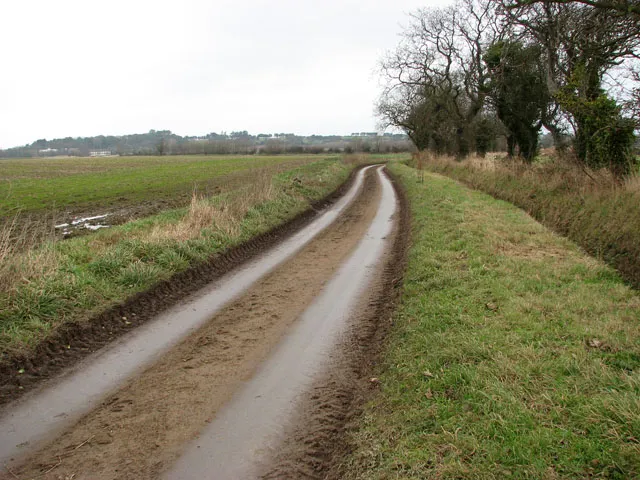
Photo: Evelyn Simak, CC BY-SA 2.0, via Wikimedia Commons
There's a particular kind of club run that dies a slow death on a Sunday morning: twenty bikes nose-to-tail on a trunk road, a route decided by whoever's satnav shouted loudest, and a café stop that takes longer to get into than the ride took to complete. The antidote isn't exotic. It's a handful of lanes you've probably passed the end of a hundred times and never turned into.
These five are ours. They're not secret — nothing in the southeast is — but they're quiet enough on a Sunday morning to remind you why you bother, and short enough that a run leader can stitch two or three into a morning without anyone getting twitchy about the time.
1. Ranmore Common and the Polesden Lanes
West of the A24 near Dorking, the lanes over Ranmore Common are narrow, humped and lined with beech. Come up from West Humble and the road tilts immediately, tightening between banks before it levels out onto the common.
Surface: broken tarmac with gravel washed into the edges, especially after rain. Farm muck at the field gates is a given from October onwards.
Junctions: the T at the common is blind on the approach — no rolling stop, no "I'll just nip out". Treat it properly.
Seasonal hazards: leaf fall is heavy in November and stays slick in the shaded stretches well into December. In hard weather the dip by the common holds ice long after the main roads are clear.
Café: the National Trust café at Polesden Lacey. Car park charges apply, so bring coins or the app. Toilets, hot food, and enough space outside that a group of eight doesn't feel like it's taking over.
2. Brasted Chart, Chart Lane and Toys Hill
Climbing out of Brasted, Chart Lane is steep, mossy in the middle and shaded for most of its length. It's the sort of lane that rewards a steady throttle and punishes a hero.
Surface: generally sound but narrow, with a crown down the middle and loose material on the bends. The climb onto the ridge above Toys Hill is where most of the year's gravel collects.
Junctions: a couple of genuine give-way-or-regret-it moments where the lane meets the ridge road. Send a marker ahead — this is exactly the sort of junction where a club run strings out and somebody takes a chance.
Seasonal hazards: wet leaves through autumn; ice sits in the cutting through January and February and doesn't shift until midday. Deer move at dawn, which is precisely when winter runs start.
Café: Chartwell's National Trust café is a short hop away and opens earlier than most. If the group is bigger than the car park likes, drop into Brasted instead and take the village shop's benches.
3. Cudham, Knockholt and the Bromley Fringe
This is the tangle of single-track between the A21 and the A233 — the bit of the North Downs that London quietly forgets about. High hedges, blind crests, passing places, and long stretches where your phone gives up entirely.
Surface: variable. Some of it is excellent, some of it is a patchwork with a sense of humour. Expect mud dragged out of gateways in winter.
Junctions: several unmarked crossroads where you can't see anything until you're in them. Slow right down; the locals know the lanes better than you do and the tractors don't brake for anyone.
Seasonal hazards: standing water at the bottom of the dips after heavy rain, and a lot of it. Also horse riders, walkers and the occasional shoot — a group should pass wide and slow, and the front marker should wave the rest through only when it's genuinely clear.
Café: Coolings garden centre at Knockholt. Plenty of parking, proper breakfasts, and no side-eye about wet kit.
4. The Pilgrims' Way Lanes Above Wye
The ridge lanes above Wye are chalk country: steep, off-camber in places, and lined with hedges tall enough to hide the view you've just climbed for. It's some of the best riding in east Kent when it's dry and some of the most interesting when it isn't.
Surface: chalk is grippy when damp and genuinely slippery when wet and polished by traffic. Watch the corners where the surface has been worn smooth.
Junctions: the descent into the village is steep with a sharp turn partway down. This is a regroup point, not a race stage.
Seasonal hazards: walkers on the Pilgrims' Way itself cross the lanes in numbers on fine weekends. Late autumn brings leaves and wet chalk together, which is a combination worth respecting.
Café: the bakery on Church Street in Wye. Small, busy, and worth the queue — though with a big group it's easier to split between the bakery and the benches by the church.
5. Crockham Hill and Hosey Common
The lanes around Crockham Hill and Hosey Common sit in sunken cuttings with high banks either side, which makes them feel older than the tarmac on them. Short, but very good.
Surface: mostly decent, with a couple of patched sections and a tendency for the edges to crumble into the verge after a hard winter.
Junctions: the lane down towards Crockham Hill meets the village road at a tight angle. Slow, deliberate, hand signals on.
Seasonal hazards: standing water at the bottom of the cuttings, and horse riders around every second bend on a Sunday. Give them room, kill the noise, and don't crowd the gateways.
Café: the National Trust tea room at Emmetts Garden, a few minutes away. Check opening times before you commit — out of season it shuts earlier than the group might like.
Run-Leader Notes: Regroups, Fuel and Sunday Traffic
A few practical things we've learned the hard way.
Keep the group small. Six to eight bikes is the sweet spot on single-track. Beyond that you're a convoy, and the lanes here don't do convoys. Split into two groups with a five-minute gap and you'll all enjoy it more.
Mark junctions, don't mark crests. Nobody should be stopped on the far side of a blind rise with a thumb out. Pick the safe spot, always.
Fuel early. Westerham, Dorking and Sevenoaks are your reliable stops. Don't assume the village pump is still a pump — several aren't.
Respect the season. From November to February, expect ice in every dip that doesn't see sun, and plan the route so the shady descents come after ten o'clock rather than at eight.
Remember you're a guest. These lanes are people's commute, their dog walk and their horse's exercise yard. Passing politely costs nothing and keeps the club welcome.
Pick two of these for a morning, three if the group is small and everyone's fuelled, and you'll come home with a ride worth talking about instead of a story about the traffic on the A24.