Seven Bikes, One Kettle: The Case for Keeping Bike Nights Small
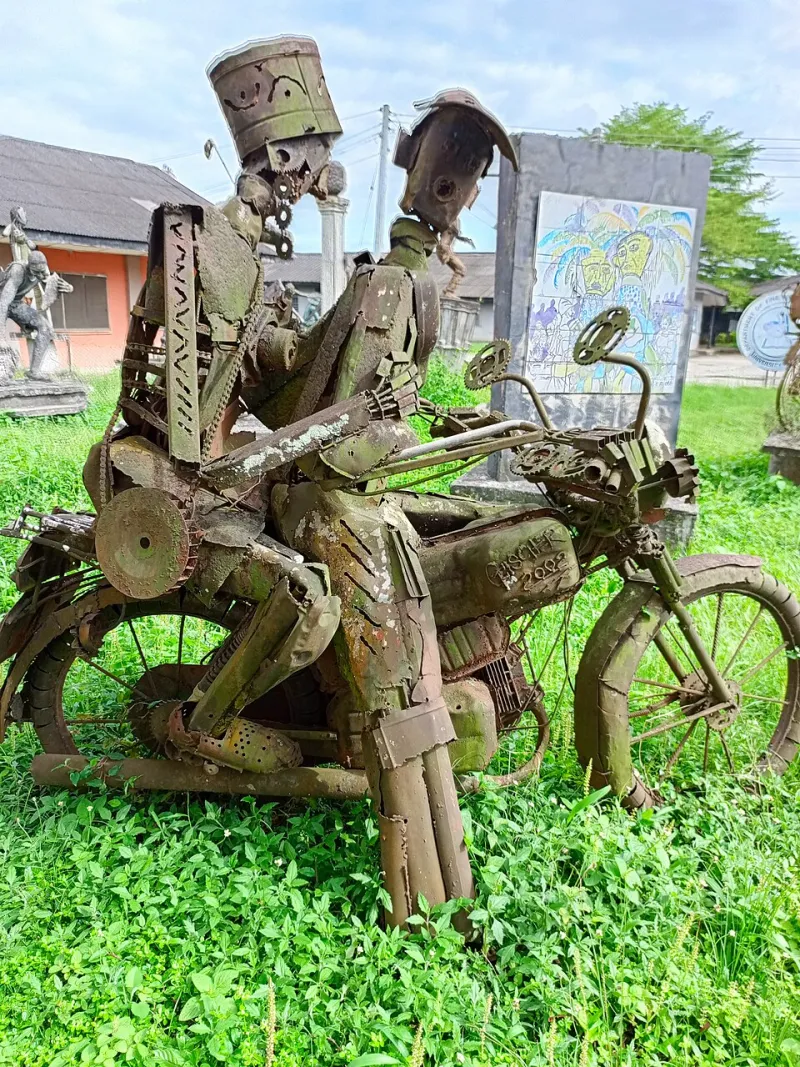
Photo: Orokbest1, CC0, via Wikimedia Commons
Seven bikes and a kettle is not a failure
There is a photograph doing the rounds from a rally a few years back: thousands of bikes, a sea of tents, a stage the size of a village hall, and a burger queue that looks like a motorway tailback. It is impressive. It is also, for a lot of riders, completely exhausting.
We are not against big events. A good rally can be a brilliant weekend, and there is something genuinely moving about seeing that many people who share the same daft hobby in one place. But the mega-event is not the foundation of a local scene. The foundation is smaller and quieter: seven bikes outside a village hall, a kettle that takes ten minutes to boil, a plate of biscuits, and a conversation that lasts longer than the ride.
North Downs & Yarrow MCC has built its meet culture around that idea. We like a decent run out as much as anyone, but the monthly meet is the bit that keeps the club alive through winter, through busy summers, through the years when people change bikes, jobs and postcodes. The village-hall bike night is not a poor relation to the big rally. It is the thing that makes the big rally possible.
Why small meets build better riders
A big event can be anonymous. You can arrive, wander, buy a sticker and leave without speaking to anyone. A small meet is harder to hide in, in the best way. You hear about the pothole on the B-road everyone uses. You learn that the odd noise from your front end might be a head-bearing issue and not a mystery. You get told, gently, that your chain is too tight before it becomes a gearbox problem.
Small meets also make it easier to ride within your limits. When there are seven of you, nobody needs to prove anything. The pace settles. The no-drop policy is not a political statement; it is just practical. You wait at the next junction. You keep the newer rider in your mirrors. You go home with the same number of bikes you started with.
That matters more than ever in 2026. Roads are busier, insurance is dearer, and a lot of people are coming into biking later in life. They do not need a 7,000-person rally as their first taste of club life. They need a pub car park, a friendly hello and a route that does not turn into a race.
Find a venue that actually wants you
Start with the obvious: a village hall, a pub with a decent car park, a community centre, a rugby club, a farm shop with a spare yard. The venue matters, but the relationship matters more. Ask the landlord or hall committee what they need from you. A regular booking, a rough number of people, a promise to clear up and a sensible finish time will get you further than a vague message on social media.
Be honest about the season. A village hall with a kitchen and a loo is worth its weight in gold in January. A pub with a covered outdoor area is brilliant from April onwards. If you are using a public car park, check whether the council or parish needs notice, and make sure you are not blocking anyone in. The last thing you want is a bike night that becomes a planning row.
The no-drop rule is non-negotiable
If you organise a ride, say it clearly: no-drop, every time. That means a nominated back marker, a meeting point after any major junction, and a pace that respects the slowest rider. It does not mean riding in a nervous huddle. It means nobody gets abandoned because they took a corner cautiously or missed a turn.
Put it in the meet description before people turn up. Say it out loud at the briefing. If someone wants a faster run, they can organise one separately. The monthly meet should be the safest, friendliest ride in the area, not the one that makes new riders wonder why they bothered.
Welcoming new riders is a skill
It is easy to say “everyone is welcome” and then spend the evening talking to the same three people. A better approach is to make the welcome deliberate. Nominate someone to look out for new faces. Ask a simple question — what do you ride, how long have you been riding, where have you come from? — and then introduce them to someone with a similar bike or a similar level of experience.
Do not make the new rider feel like they have to prove themselves. Do not make a joke about their bike being slow, small, old or clean. Do not assume everyone wants to talk about tyre compounds for an hour. Some people come for the ride, some come for the tea, some come because they are lonely and want to be around people who do not think motorcycles are strange. All of those are valid reasons to turn up.
Keeping winter meets alive
Winter is where small meets prove their worth. The big rallies go quiet, the fair-weather riders SORN the bike, and the local scene can disappear into a group chat full of memes. Do not let it. Move the meet indoors. Shorten the ride. Make the kettle the main event.
A winter bike night can be a workshop evening, a route-planning session, a talk about touring kit, a quiz, or simply a regular date in the calendar where people know someone will be there. It does not need to be elaborate. It needs to be reliable. A monthly meet that happens in February is worth more than a spectacular one that only happens in July.
A simple template for a 2026 bike night
- Venue: Village hall, pub or community centre with parking, shelter, toilets and a kettle. Confirm the booking and ask about insurance.
- Date and time: Same day each month, 6.30pm to 9pm, with a clear finish time that respects neighbours.
- Format: Arrive, tea, chat, short briefing, optional ride or workshop, back to base. Keep it simple.
- Ride policy: No-drop, back marker, agreed meeting points, sensible pace. Publish it in writing.
- Welcome: Nominate a greeter. Look out for new faces and introduce them around.
- Winter plan: Indoor meets from November to February, with a workshop or talk if the weather is grim.
- Promotion: Local bike shops, Facebook groups, club noticeboards, a simple poster in the pub window.
- Kit: Kettle, tea, coffee, biscuits, first-aid kit, a basic tool roll, a clipboard for sign-ins.
- Rota: Share the organising between two or three people so it does not become one person’s second job.
- Review: Every three months, ask what is working and what is not. Change one thing at a time.
The point is not the number
A 7,000-person rally can be a great day out. But it will not remember your name. Seven bikes and a kettle might not look like much in a photograph, but it is where people learn the roads, find riding buddies, ask about that weird noise and discover that the club is not a clique after all.
If you have been thinking about starting something local in 2026, start small. Book the hall. Put the kettle on. See who turns up. The rest can grow from there.